Corporate News

News Center

View customer cases, solutions, technical articles, and company news.

Total 19 articles
How to choose a suitable household nasal irrigator for yourself?
Solutions

How to choose a suitable household nasal irrigator for yourself?

How to choose the right home nasal irrigator for yourself? With the growing attention to daily nasal care, home nasal irrigators have gradually become health care products of interest to many families. Facing nasal irrigators with different types, structures, and functions, how can you choose a product that suits you? In fact, choosing a nasal irrigator cannot rely solely on appearance or price; it also requires a comprehensive consideration of usage needs, irrigation methods, operational convenience, cleaning and maintenance, and product safety. This article will introduce the key points for purchasing a home nasal irrigator from multiple perspectives, helping you understand product differences more clearly and make a choice that fits your personal needs. 1. First, Understand Your Nasal Care Needs Before choosing a nasal irrigator, you can first clarify the main purpose of purchasing the product. 1. Daily Nasal Cleaning If your main goal is to remove some mucus, dust, and other attached particles in the nasal cavity, you can focus on products with simple operation, clear instructions, and easy cleaning and maintenance. PixPin_2026-10-29_17-26-28.jpg 2. Nasal Care During Seasonal Allergies For people with pollen allergies or allergic rhinitis symptoms, appropriate saline nasal irrigation may help alleviate some nasal symptoms. When choosing a product, you should check whether the irrigation method is suitable for your situation and consult a doctor if necessary. 3. Care for Nasal Dryness or Excess Secretions Nasal dryness and increased secretions can have different reasons. Saline sprays and nasal irrigation devices work differently: sprays tend to provide local moisture, while irrigation devices mainly help remove some secretions and attached particles through liquid flow. You should choose based on actual needs without blindly pursuing products with complex functions. 2. Understand the Characteristics of Different Types of Nasal Irrigators Nasal cleaning products on the market vary in structure and working methods, and common types include the following. 1. Manual Nasal Irrigators Manual products usually push the irrigation solution by squeezing a container or through other mechanical methods. Main features: The structure is relatively simple. Models that do not rely on batteries or power sources are common. The usage effect is related to the operation method, squeezing force, and product structure. They are suitable for users considering simple operation methods and wishing to reduce electronic components, but attention should be paid to controlling the force and following product instructions. 2. Electric Nasal Irrigators Electric products usually deliver irrigation solution through an internal power structure, and the specific working method varies by model. Main features: Some products can achieve relatively stable liquid delivery through an electric structure. Some models offer different working modes. Attention needs to be paid to the power supply method, cleaning requirements, and maintenance costs. When purchasing, you should base your decision on the actual product flow rate, pressure, working mode, and safety instructions, and cannot judge the cleaning effect solely based on the "electric" feature. 3. Nasal Saline Sprays Saline sprays usually deliver a small amount of liquid into the nasal cavity in the form of a spray, suitable for some daily moisturizing and local care needs. They are not exactly the same as nasal irrigation devices that use more irrigation solution. If you want to wash away a large amount of mucus or secretions inside the nasal cavity, you should understand the actual purpose of the product and choose accordingly.


How to Choose a Nasal Care Device That Fits Your Needs
Solutions

How to Choose a Nasal Care Device That Fits Your Needs

SEO Title: Choosing the Right Nasal Care Device | DynamicPeers Meta Description: Explore practical questions to ask before choosing a nasal care device, including operating methods, maintenance, visual features, and personal preferences. Start with Your Own Requirements With different nasal irrigation products available, it can be tempting to choose a device based on appearance or the number of features it offers. However, more features do not automatically mean a product is the best choice for everyone. A better starting point is to consider your own needs, preferences, and ability to follow the product's instructions. Question 1: What Operating Method Do You Prefer? Some nasal irrigation products use manual pressure. Others incorporate powered mechanisms. DynamicPeers uses an electric negative-pressure nasal irrigation system. Understanding the operating principle helps consumers decide whether they want to explore this type of design. Question 2: Do You Want a Built-In Fluid Collect

Nasal Irrigation for Beginners: Frequently Asked Questions
Solutions

Nasal Irrigation for Beginners: Frequently Asked Questions

SEO Title: Nasal Irrigation Beginner FAQ | DynamicPeers Meta Description: Find answers to common beginner questions about nasal irrigation, safe water preparation, electric devices, camera features, and maintenance. Getting Started If you are considering a nasal irrigation device for the first time, you may have questions about how it works and what to look for. Understanding the basics can help you evaluate different products and make an informed decision. Here are several common questions. What Is Nasal Irrigation? Nasal irrigation involves passing a saline solution through the nasal passages. Different products use different mechanisms to move the solution. Some are manually operated, while others incorporate powered systems. What Is the Difference Between Manual and Electric Devices? Manual squeeze bottles generally rely on user-applied pressure. Electric devices use powered mechanisms, although the exact operating principles vary. DynamicPeers uses an electric negative-pressure na

Working Principle of Nasal Irrigators: How Does Water Flow Help Clean the Nasal Cavity?
Solutions

Working Principle of Nasal Irrigators: How Does Water Flow Help Clean the Nasal Cavity?

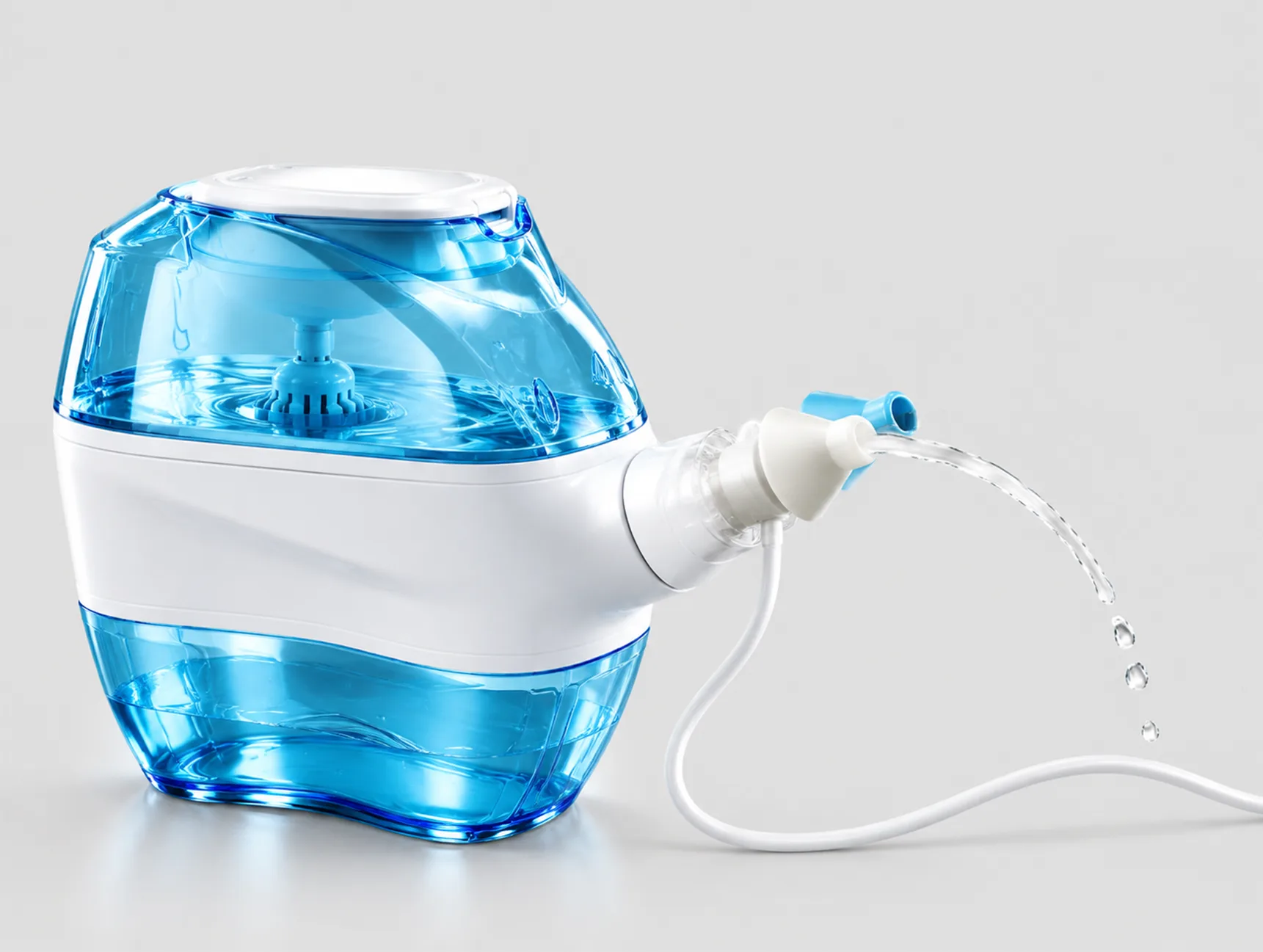
Working Principle of Nasal Irrigators: How Does Water Flow Help Clean the Nasal Cavity? The nasal cavity is an important part of the human respiratory system, undertaking functions such as filtering particulate matter in the air and regulating the temperature and humidity of inhaled air. In daily life, dust, pollen, and nasal secretions may accumulate in the nasal cavity; therefore, scientific nasal cleaning is an important part of daily nasal care. A nasal irrigator is a care device that flushes the nasal cavity with liquid. It uses appropriate water flow to deliver irrigation solution into the nasal cavity, helping to remove some mucus, secretions, and attached particles. Understanding the working principle of nasal irrigators helps us choose and use nasal cleaning products more scientifically. 1. How Does a Nasal Irrigators Work? The basic working principle of a nasal irrigator is to use the flushing action generated by liquid flow to assist in cleaning the inside of the nasal cavity. According to the design of different products, the device may adopt structures such as water pumps, nozzles, water tanks, and control components to realize the delivery and spraying of the irrigation solution. Its working process usually includes the following links. 1. Irrigation Solution Storage Nasal irrigators are usually equipped with liquid storage containers to hold the irrigation solution. Some products adopt a transparent water tank design, which is convenient for users to observe the remaining liquid level. The choice of irrigation solution is very important. Nasal irrigation is usually recommended to use saline of appropriate concentration, such as special nasal washing salt solutions prepared according to product instructions, or finished irrigation solutions meeting usage requirements. 2. Water Flow Delivery After starting the device, the delivery structure inside the product transports the irrigation solution to the nozzle. The water flow pressure, flow rate, and spray method of different products may vary, depending on the structural design of the equipment. A reasonable water flow design helps the irrigation solution smoothly enter the nasal cavity while balancing user comfort and safety. 3. Nozzle Guiding the Irrigation Solution The nozzle is an important part of the nasal irrigator, and its shape, size, and liquid outlet structure will affect the flow method of the irrigation solution. When in use, the nozzle should be placed in a suitable position according to product instructions, and the recommended operation posture should be adopted. The irrigation solution flows in the nasal cavity, which can help loosen and take away some mucus, secretions, and attached particles. It should be noted that the internal structure of the nasal cavity is complex, and the actual irrigation range will be affected by factors such as nozzle design, usage posture, water flow parameters, and personal nasal structure. 4. Discharge of Irrigation Solution Under appropriate irrigation conditions, the liquid can carry some secretions and particles out of the nasal cavity. The correct operation method helps reduce unnecessary discomfort and makes the cleaning process smoother. A nasal irrigator does not directly eliminate all irritants in the nasal cavity through water flow, nor can it guarantee cleaning every area of the nasal cavity. Its main role is to assist in nasal cleaning. 2. Why Can Water Flow Help Clean the Nasal Cavity? The cleaning effect of a nasal irrigator mainly comes from the flushing and flow of the liquid, rather than relying solely on water pressure. 1. Help Clear Nasal Secretions Nasal mucus can adhere to some inhaled particulate matter and participate in the defense process of the respiratory tract. When secretions are abundant or viscous, appropriate saline irrigation helps loosen them and assists in their discharge. 2. Help Flush Some Attached Particles Dust, pollen, and other particles in the air may adhere to the nasal mucus

Electric Nasal Irrigator Buying Checklist: What to Review Before You Order
Solutions

Electric Nasal Irrigator Buying Checklist: What to Review Before You Order

SEO Title: Electric Nasal Irrigator Buying Checklist | DynamicPeers Meta Description: Use this practical buying checklist to compare electric nasal irrigation devices, including operating methods, chamber design, smartphone compatibility, and maintenance. Shop with a Clear Checklist Choosing an electric nasal irrigation device involves more than comparing photographs. The operating mechanism, fluid handling system, maintenance requirements, and additional features may differ significantly between products. A simple checklist can help consumers review important information before purchasing. Check 1: Understand the Operating Mechanism Confirm how the device moves saline. Different electric nasal irrigation products may use different mechanisms. DynamicPeers incorporates an electric negative-pressure irrigation system. Review the manufacturer's explanation of how the device is intended to operate. Check 2: Examine the Fluid Chambers Look at how the device stores and collects liquid. Dyna

5 Common Nasal Irrigation Myths Explained
Solutions

5 Common Nasal Irrigation Myths Explained

SEO Title: 5 Common Nasal Irrigation Myths | DynamicPeers Meta Description: Explore five common misconceptions about nasal irrigation, including water safety, electric devices, camera features, and cleaning requirements. Separating Assumptions from Facts Nasal irrigation is discussed in many online articles, product descriptions, and personal care conversations. However, not every commonly repeated claim is accurate. Understanding a few basic misconceptions can help consumers evaluate nasal irrigation products more responsibly. Myth 1: Any Drinking Water Is Suitable for Nasal Irrigation Not all drinking water is appropriate for nasal rinsing. Public health guidance recommends using distilled, sterile, or previously boiled and cooled water. Untreated tap water should not be used for nasal irrigation. Water preparation is an important safety consideration regardless of the type of device. Myth 2: Electric Devices Are Automatically Better Than Manual Devices Electric and manual nasal irri

Nasal Irrigation Device Maintenance: What Owners Should Know
Solutions

Nasal Irrigation Device Maintenance: What Owners Should Know

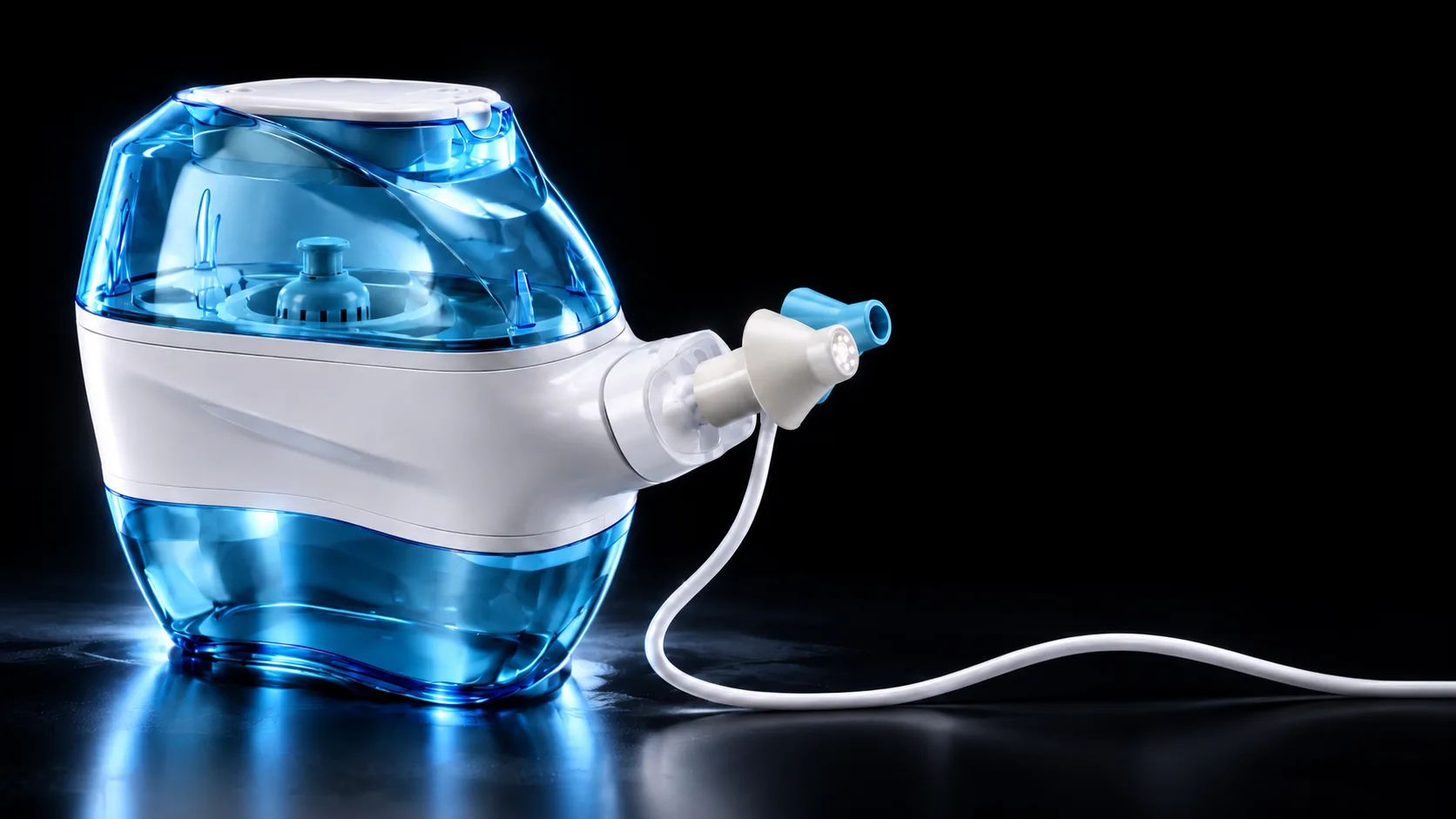
SEO Title: Nasal Irrigation Device Maintenance Guide | DynamicPeers Meta Description: Learn important maintenance considerations for nasal irrigation devices, including fluid chambers, nasal tips, camera components, and safe cleaning practices. Why Maintenance Deserves Attention Nasal irrigation devices come into contact with water, saline, and potentially collected fluid. For this reason, proper maintenance is an important part of responsible ownership. Different products have different structures, so cleaning and care instructions should always be specific to the device. Understand the Components Before Cleaning DynamicPeers features separate upper and lower fluid chambers. The larger transparent blue upper chamber is part of the saline supply structure. The smaller lower chamber collects saline after it passes through the nasal cavity. The device also includes two flexible rubber nasal tips mounted on a shared rotating carrier. Each component may have its own maintenance requirement

Why Smartphone Compatibility Matters for Camera-Equipped Nasal Care Devices
Solutions

Why Smartphone Compatibility Matters for Camera-Equipped Nasal Care Devices

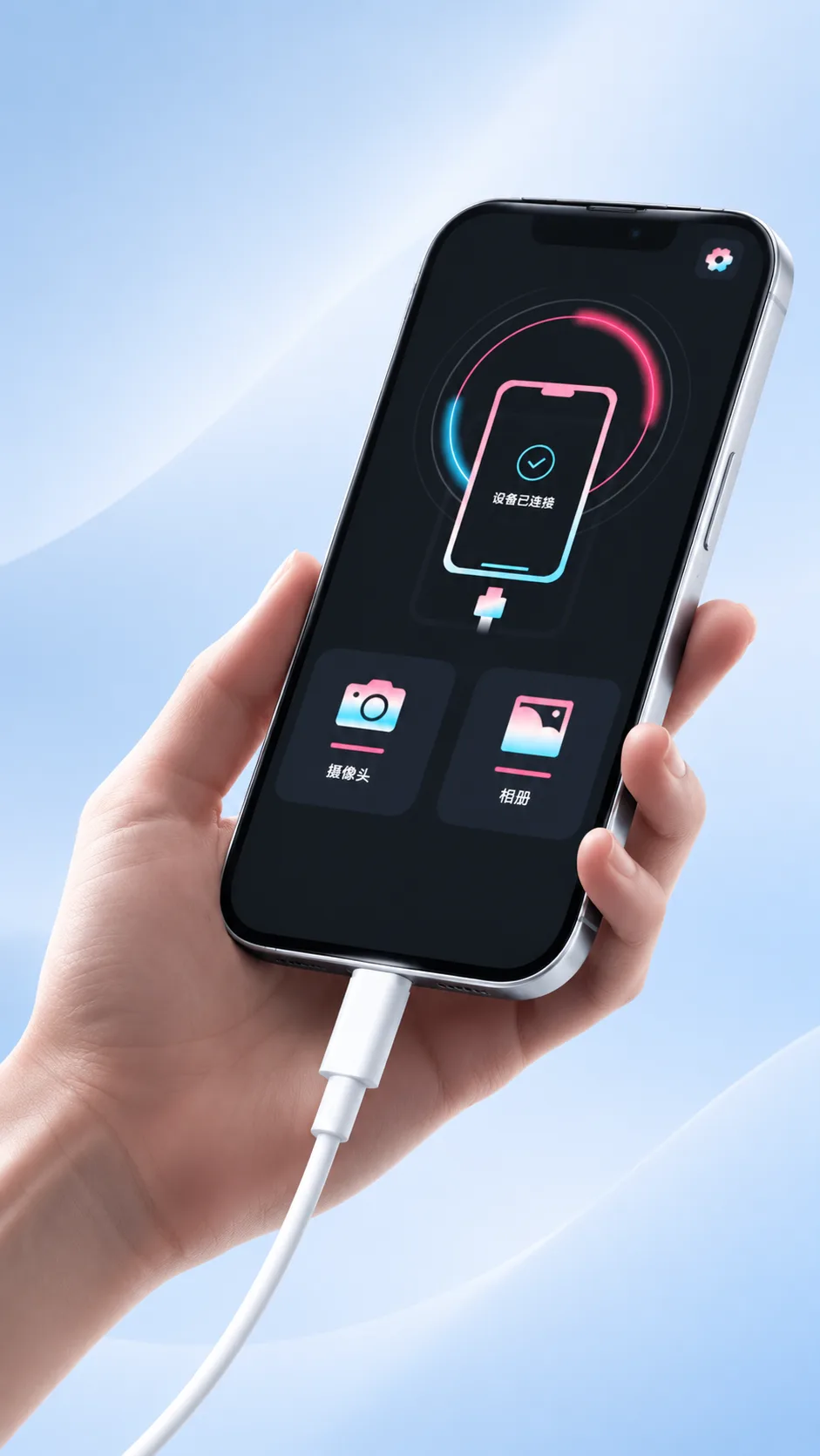
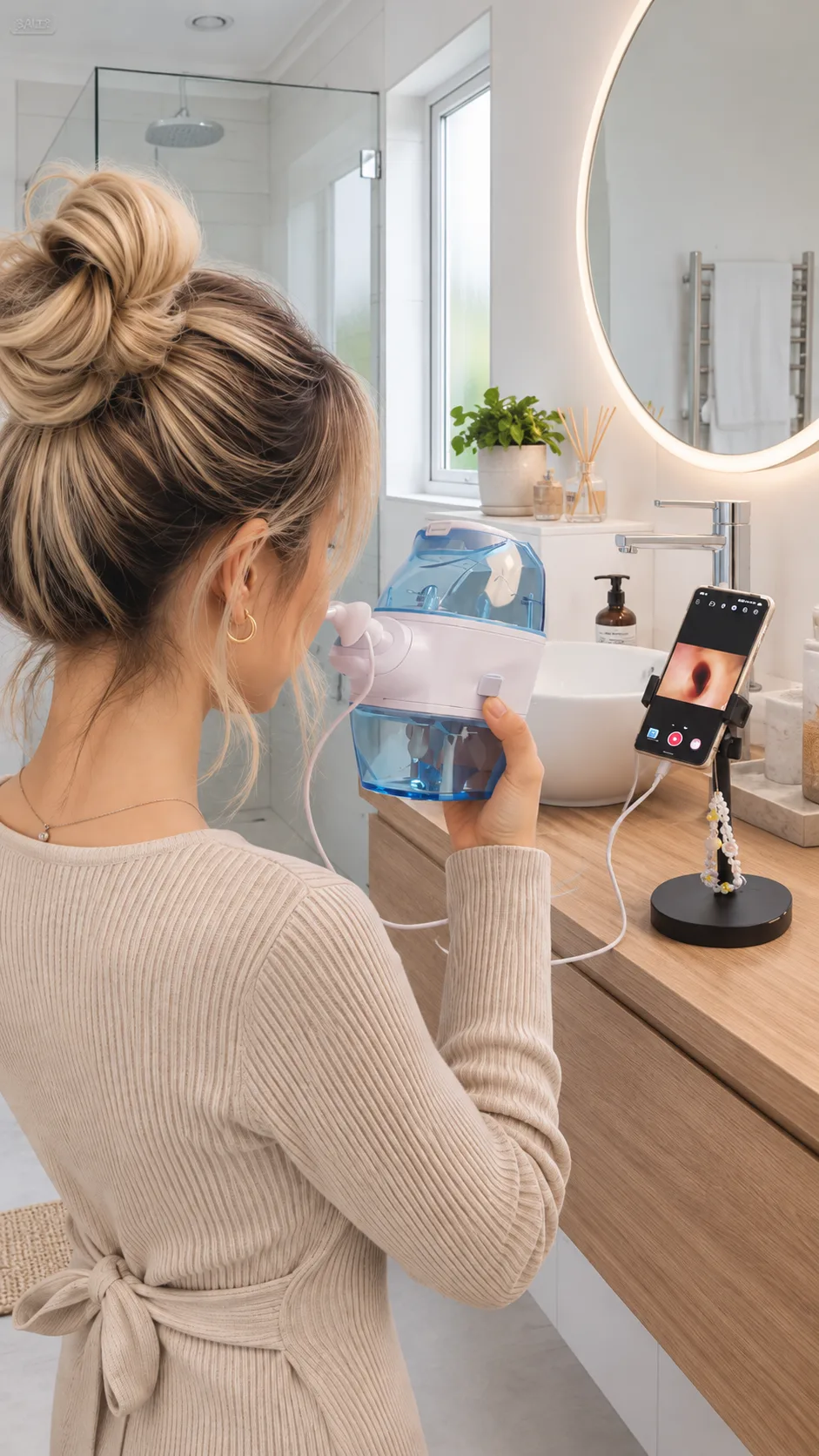
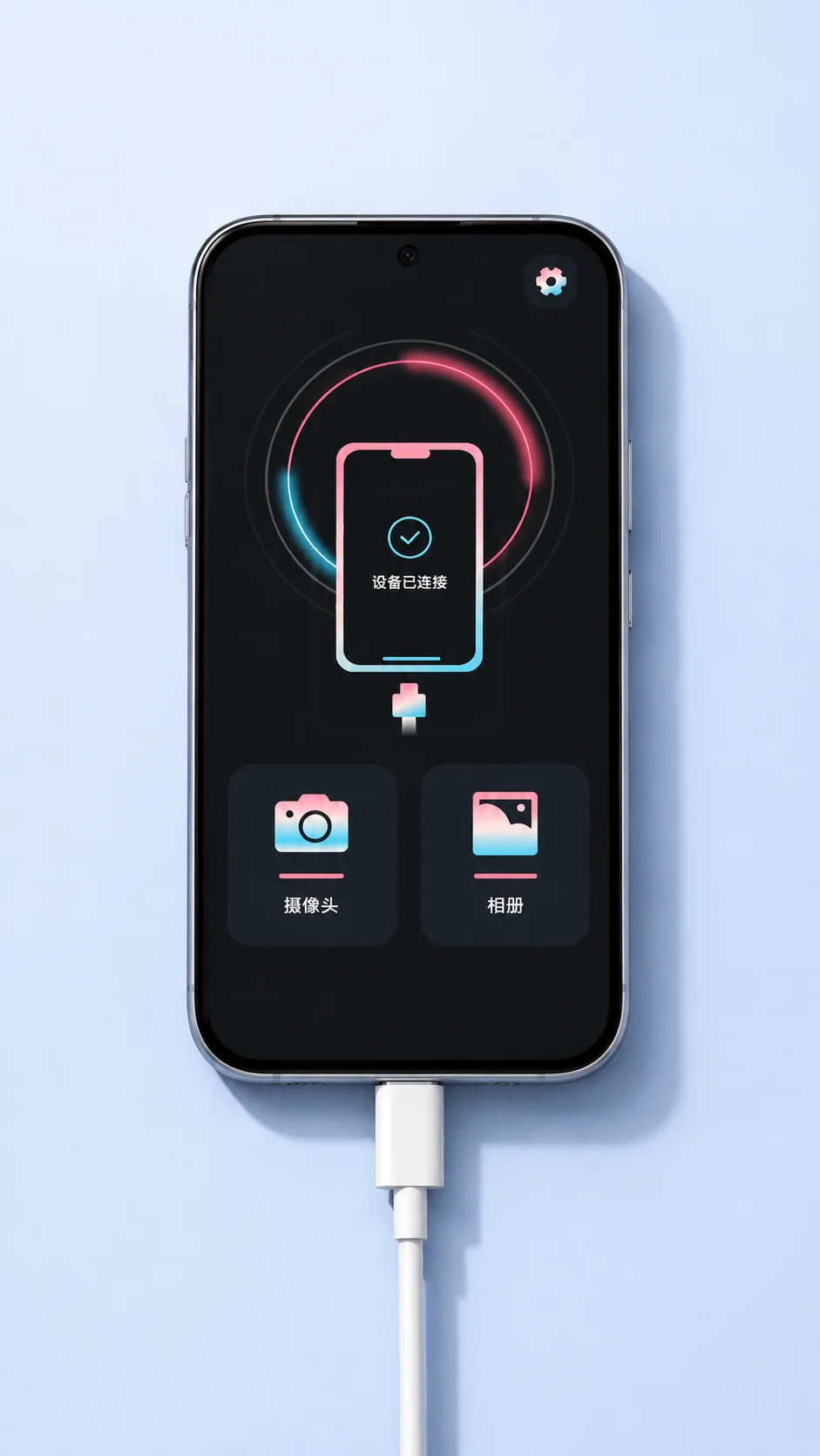
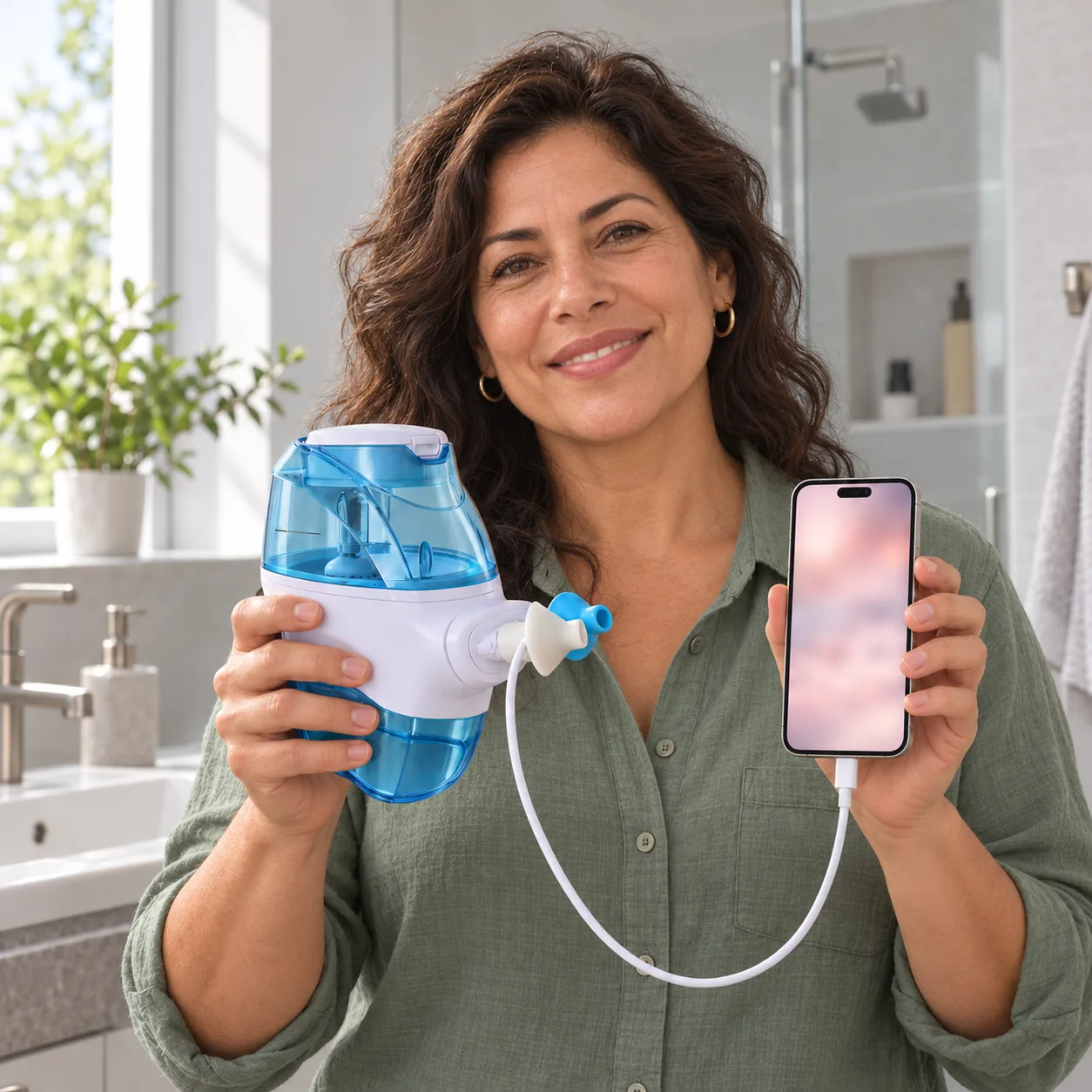
SEO Title: Nasal Camera Smartphone Compatibility Guide | DynamicPeers Meta Description: Understand why smartphone compatibility, app requirements, and camera connection instructions matter when choosing DynamicPeers. A Camera Feature Needs a Viewing Interface A miniature camera is only one part of a connected viewing system. To view the images it captures, users also need a compatible display interface. For many consumer products, a smartphone serves this role. DynamicPeers includes a camera-equipped nasal tip that can provide images through an app when connected to a compatible smartphone. This makes phone compatibility an important consideration before purchasing. Why Not Every Smartphone Is Automatically Compatible Smartphones differ in operating systems, software versions, hardware capabilities, and connection interfaces. A product that supports one phone may not necessarily support every other device. For this reason, consumers should review the manufacturer's compatibility inform

Understanding Flexible Nasal Tip Design in Nasal Care Devices
Technical articles

Understanding Flexible Nasal Tip Design in Nasal Care Devices

SEO Title: Flexible Nasal Tip Design Explained | DynamicPeers Meta Description: Learn about flexible rubber nasal tips, their structural role in nasal care devices, and the integrated rotating tip assembly of DynamicPeers. Why Nasal Tip Design Matters The nasal tip is one of the most recognizable components of a nasal irrigation device. It forms the interface between the product and the nostril. For this reason, its material, shape, and structural arrangement are important design considerations. Different manufacturers use different tip designs depending on the intended operation of their products. Understanding Flexible Materials Flexible rubber materials can deform under pressure and return toward their original shape. This property makes them useful in many consumer product components. However, flexibility alone does not establish that a nasal tip will be comfortable or suitable for every user. The product's dimensions, design, and operating instructions also matter. The Two Nasal T